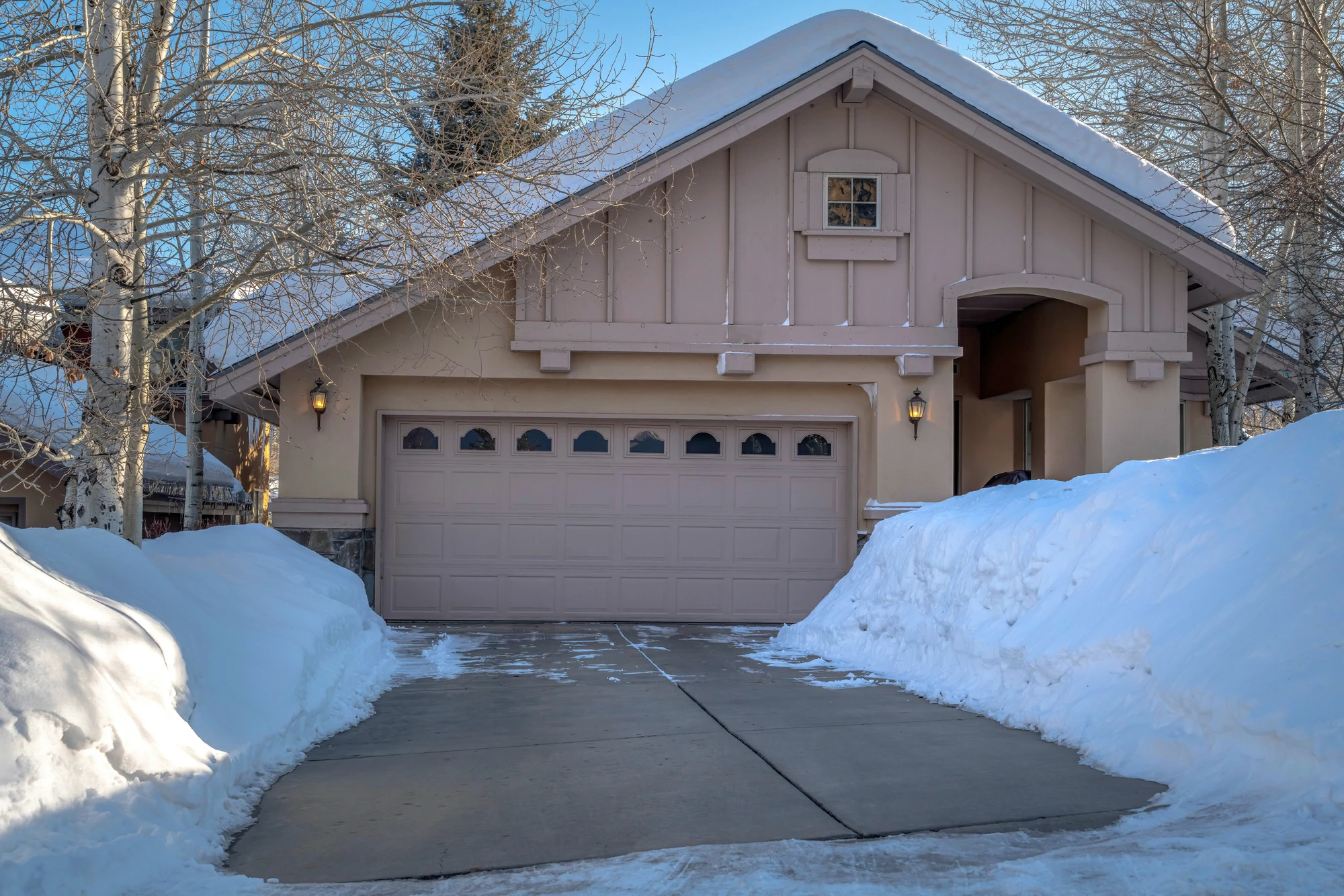
Nylon garage door rollers are built to last 15 or 20 years in the right environment. But if you live in Parker, CO, or the South Denver area, a more realistic estimate, taking into account Colorado winters, is 10 to 15 years. The cold here puts added strain on your garage door system, particularly with the way temperatures will swing so close to the freezing mark.
The Climate in Parker and Its Effect on Your Door
Winters in Parker are cold enough to add stress to any moving part of a garage door. While you might see highs of 85°F and lows as low as 4°F over the course of a year, the coldest months average out to 21°F at night and 43°F during the day. That means temperatures dropping under 32°F are common.
When you have a freeze-thaw cycle, moisture has a way of working its way into the tracks and hinges. It freezes, then melts, and brings in dirt and corrosion. In extreme cold, nylon can lose some of its flexibility; inferior wheels will eventually show flat spots or cracks. Then there is the matter of wear and tear from heavy use, misalignment, or poor installation that has nothing to do with the weather.
Why Nylon Rollers Over Steel or Plastic Rollers?
For many homes in the area, a good set of nylon rollers with sealed ball bearings makes the best garage door rollers. They run quieter and smoother than steel and need less attention. There is no metal-on-metal din in the tracks, which makes for a more comfortable noise level if the garage is connected to a bedroom or office. The sealed bearings also keep dust and debris at bay.
Steel rollers have their place with very heavy doors and, with ball bearings, can last 10 to 15 years, but they are louder and more susceptible to rust. Exposed bearings will demand more upkeep. As for basic plastic, it is not much of an option; they are the least durable and will deteriorate in short order. An upgrade from old plastic will quickly be a noticeable difference in how the door operates.
Spotting a Problem
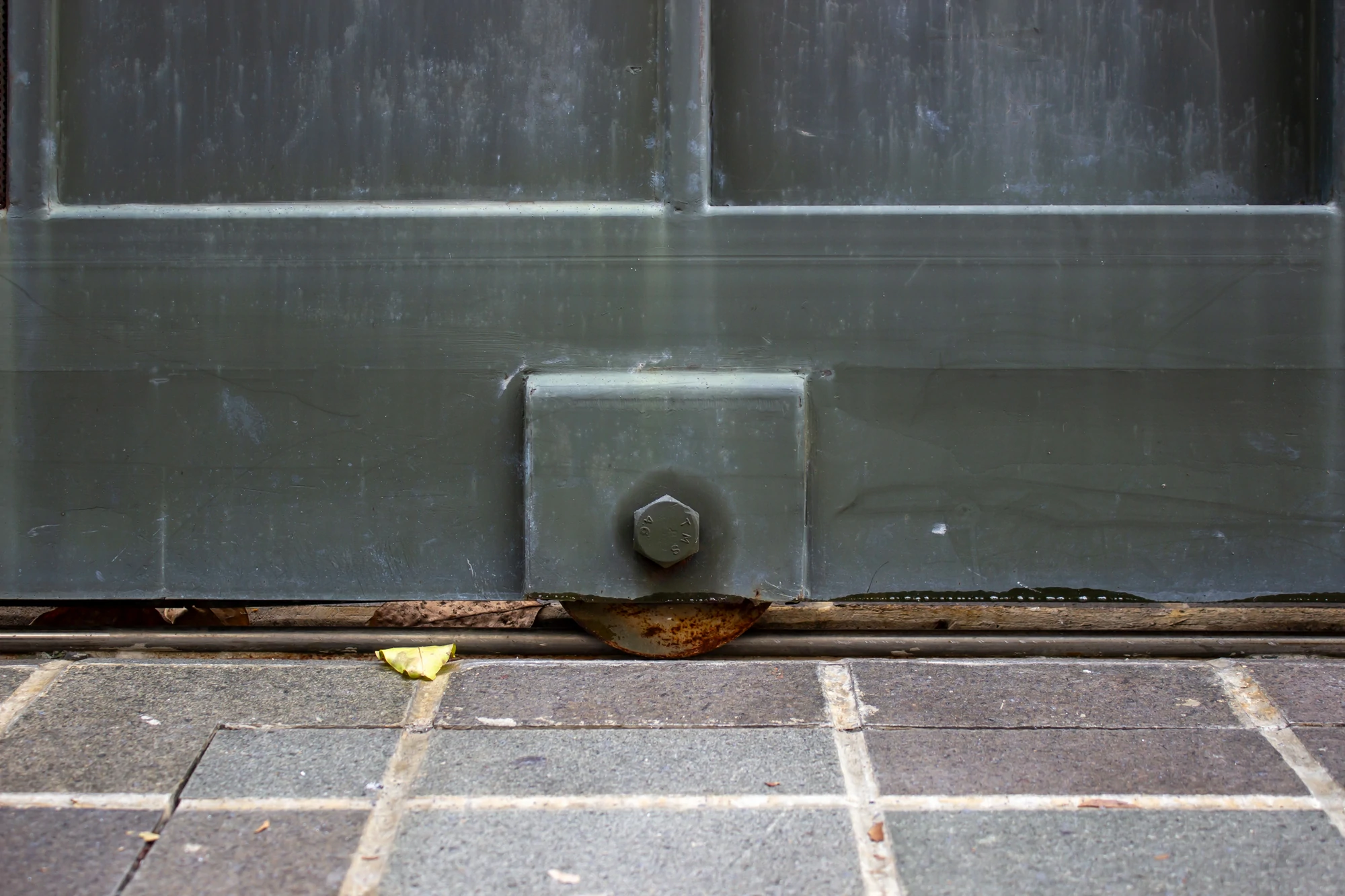
A roller will usually give some warning before it gives out. Worn garage door rollers can make a rattle, squeak, or loud grind. If the door seems to vibrate or move in a jerky fashion when opening and closing, the rollers could be the culprit, as could dirty tracks or something else in the system. A door that is not straight is another telltale sign.
Take a look during inspection for chipped nylon, wobbling, rust, or flat spots. Letting worn rollers go unrepaired can put undue stress on the opener and other parts.
Some Maintenance Tips
It is wise to check your rollers every six months, usually in the spring and again before winter sets in. A soft brush or damp cloth will do for cleaning off the tracks and rollers. Do not use grease on the tracks, as it will only collect more debris. For lubrication, a light application of silicone-based spray on the metal points and bearings about twice a year is sufficient. Sealed bearing models will want for little.
If the door starts to shake or become noisy, call in a professional. Issues like incorrect track spacing or a worn hinge can throw off even new rollers.

Don’t Choose DIY Replacement. Leave it to the Pros
There are heavy components and tensioned springs in a garage door that make replacing garage door rollers a risky job for a do-it-yourselfer. An unexpected shift or the wrong hinge removed can be dangerous. A trained technician has the proper tools for the job. When the time comes, it is better to put in all new rollers for uniform performance rather than mixing them with the old ones.
NuLift Garage Doors takes a repair-first approach with its local service. We do not try to talk homeowners in Parker into a full roller replacement when it is not warranted. We inspect the whole system, point out what is actually worn, and offer reliable garage door solutions. With the right high-quality rollers and some timely care, 10 to 15 years of trouble-free operation through Colorado winters is well within reach.